Subscribe!
Subscribe!
Subscribe!
Donate!
Subscribe!
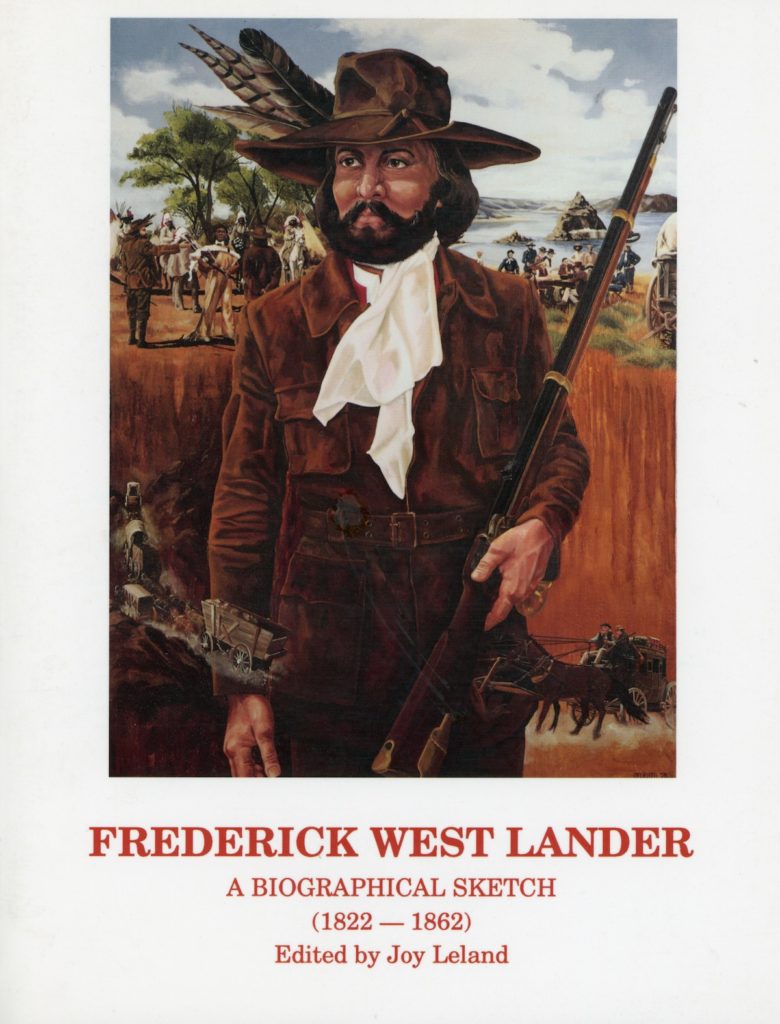
On a side note, even though he died in 1862, one hundred and thirty three years his estate funded a re-photographic survey of Eagle Lake; where in using photographs of the early 1900s, Desert Research Institute went back to those sites to photograph and examine the changes.
Subscribe!

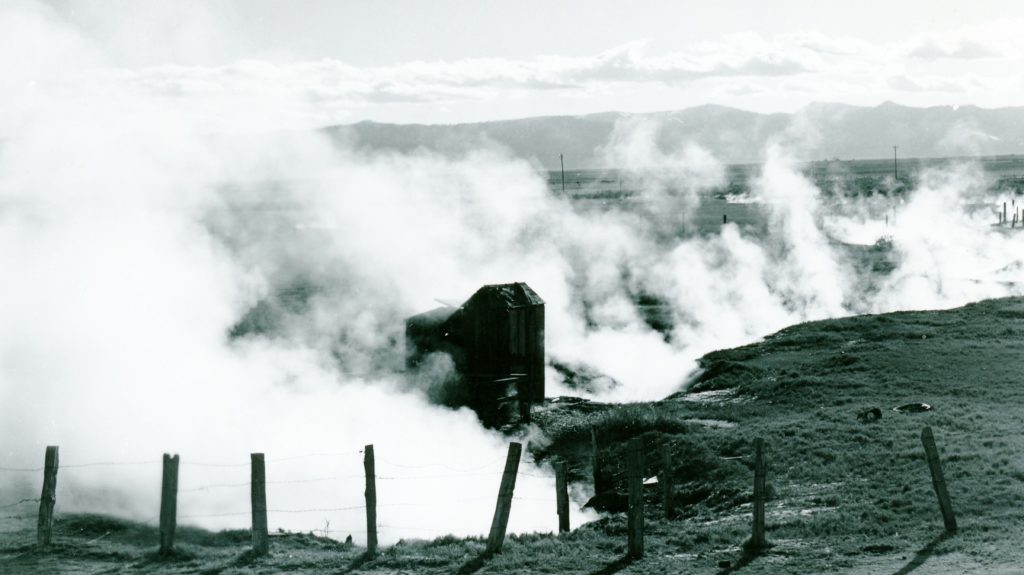
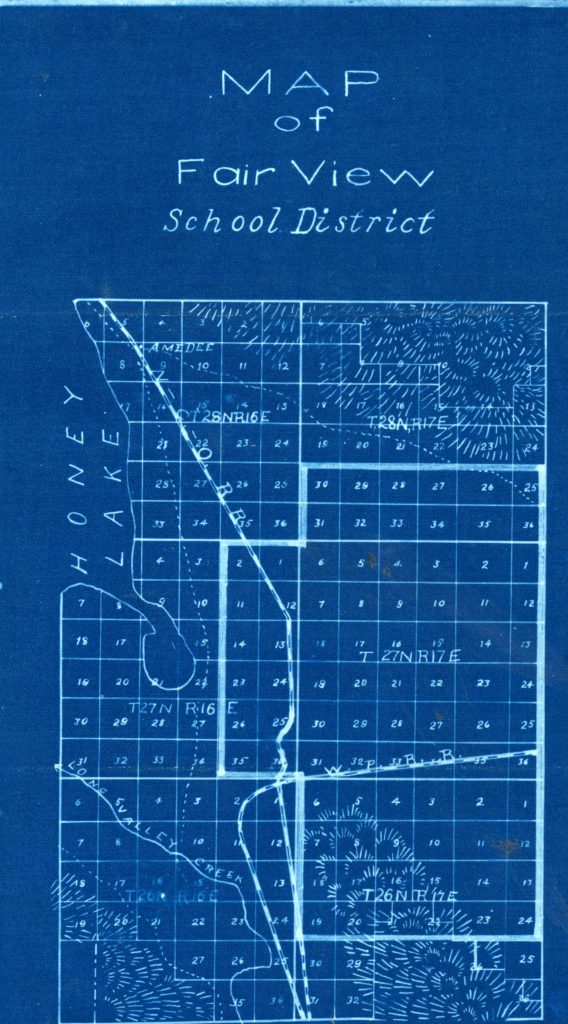
In 1943, the Oakland Tribune published an article about Fred Lake’s 1892 dream town of Honey Lake City. That prompted a question from several readers as to how Honey Lake received its name. John S. Thomas of Oakland wrote the newspaper and stated: “They call it Honey Lake on account of the honey dew that fall on the borders of the lake. In haying time, if you lay or stand a pitch fork out all night, the handle in the morning will be as sticky as if it had been rubbed with honey. However, W. E. Booth of Hayward questioned Thomas’ claim in a letter to the Tribune. They published his response: “Booth used to live in the Honey Lake Valley and worked on a dairy ranch. Booth insists that he never saw such phenomenon and never heard the story. It would seem that if such a phenomenon was the source of the name of the lake and region, it would have been a matter of common experience and knowledge. The phenomenon of which Mr. Thomas speaks may have been incidental, the sticky handle may have been caused something other than the dew.”
Subscribe!
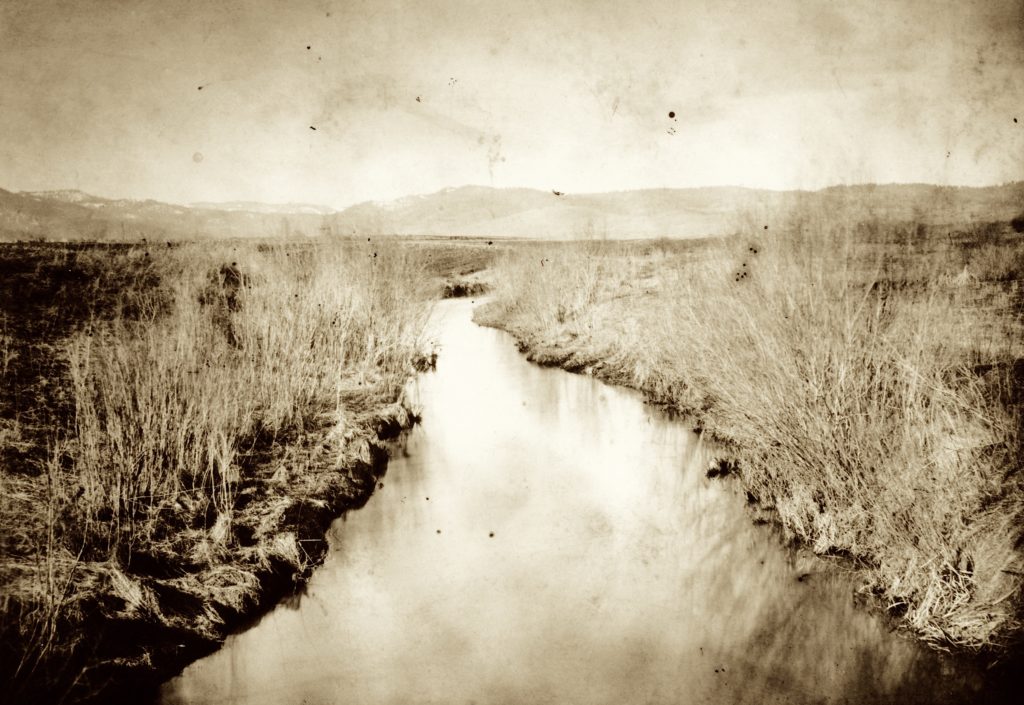
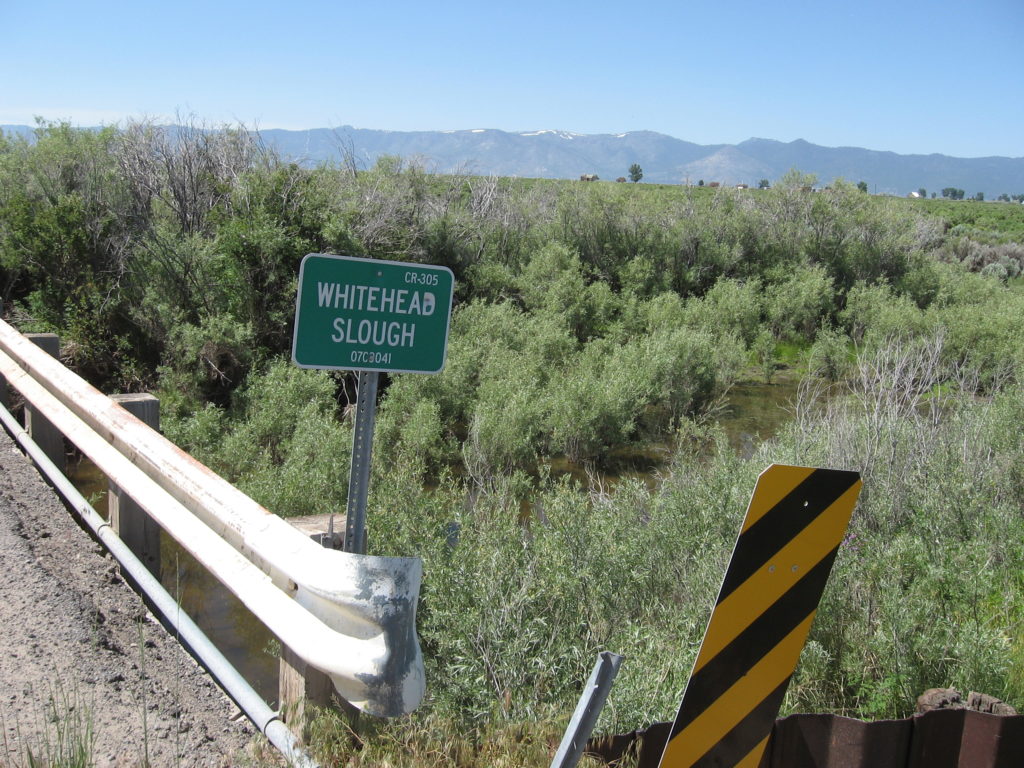
Once the Susan River flows past Standish it starts breaking up into various sloughs. Whitehead Slough was named for John Wesley Whitehead. On September 10, 1886, Whitehead, then a resident of Pyramid Lake, Nevada purchased 321 acres in the Tule District from Joseph D. & Sarah Smith for $3,000. In 1920, Whitehead retired and moved to Pacific Grove. On April 5, 1922, Whitehead sold his ranch to David and Royce Raker for $1,000.
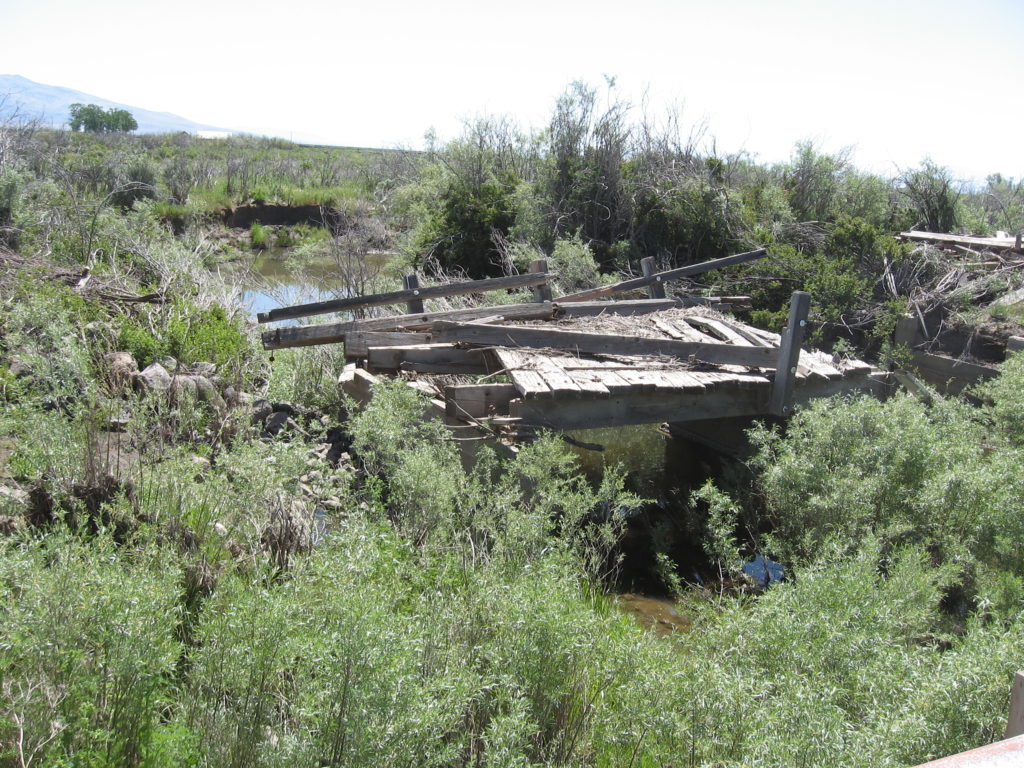
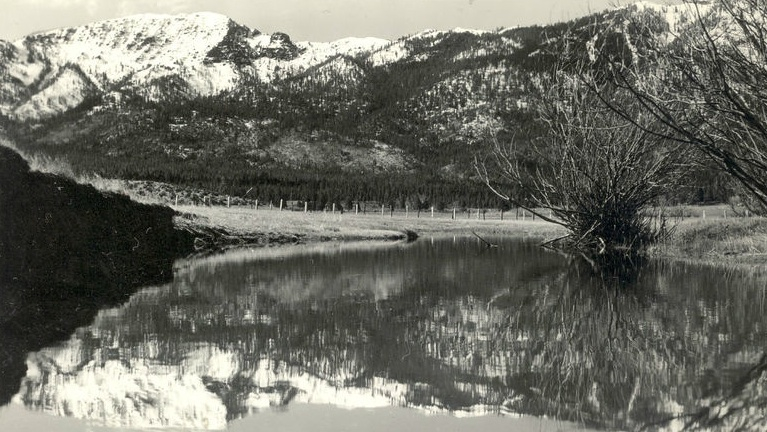
One final picture . . .
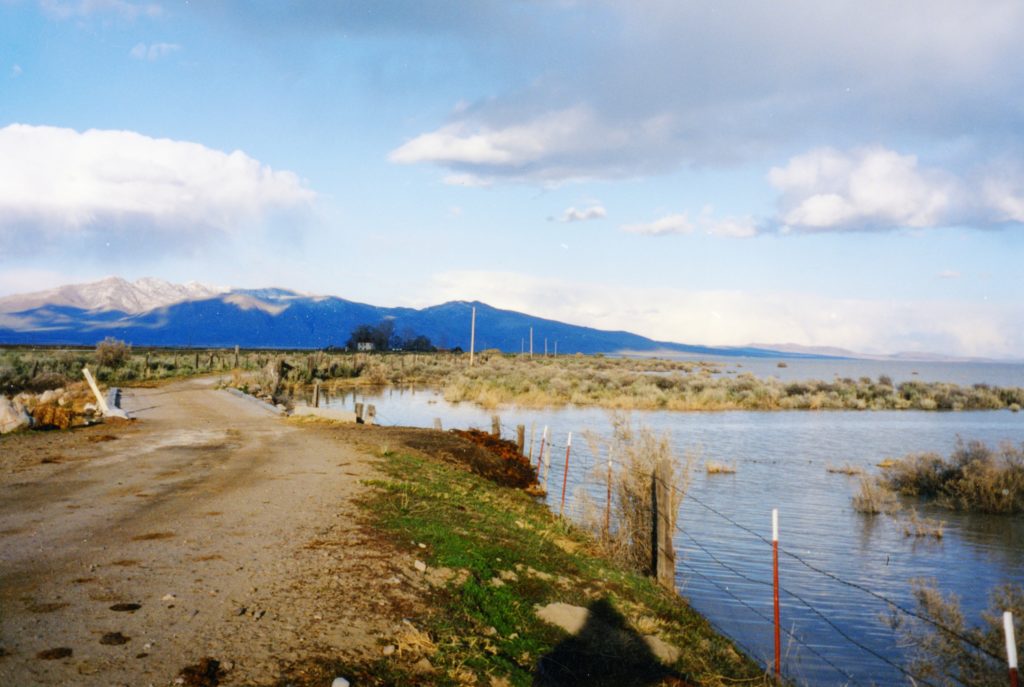

Last month, I lost a dear friend David Wemple (1931-2017). While a contemporary of my mother, I had known David for forty years. The truth be known, I was probably still wearing diapers when I started researching.
Two years ago, I asked David, the story behind the Milford Creamery’s demise and he wrote: “The main trouble with the creamery was too many bosses and too few laborers. They had to put a lot of money into both buildings, the creamery and the milking shed, that they built. This milking shed may still be standing. It could be that Joe, their father, helped monetarily with the venture. Anyway, the short of it is, the brothers simply didn’t get along that well. My great grandfather, Joseph C. Wemple was, according to Dad, [Claude Wemple] was generous to a fault and John, the oldest son told Dad on one occasion that it was not uncommon for Joe to have in excess of $10,000.00 in cash in his house. This was money from the flour mill located in Milford. I remember these mill stones. They were eventually broken up with a sledge hammer to rock up a spring with.”