Category Archives: Uncategorized

Your Topic

Janesville Grade, 1953. Courtesy of Fred Lendman

On a quarterly basis,  I ask you, the reader, if there is something you would like to learn more about or maybe its something you heard but question its validity.  So here is an opportunity to participate. I will do my best to answer any questions. It should be noted, it may take awhile for the answer to appear as a post. The primary reason, many of the daily posts are done nearly a month in advance.  So by the time you read this, I am already working on posts in the middle of September.  Whatever the case may be, I look forward to hearing from you. Of course, it should be noted that paid subscribers requests receive priority. In addition, you can always send an request at any time.

The topics readers wanted to learn about from the last inquiry are a wide range from Susanville’s Sierra Theater,  Honey Lake’s Dragoon Bridge to Antelope Lake and the Ramsey Ranch.
Become a supporter for just $5 a month to ensure quality history continues. Click here.

Where are we?

July 7, 2016
July 7, 2016

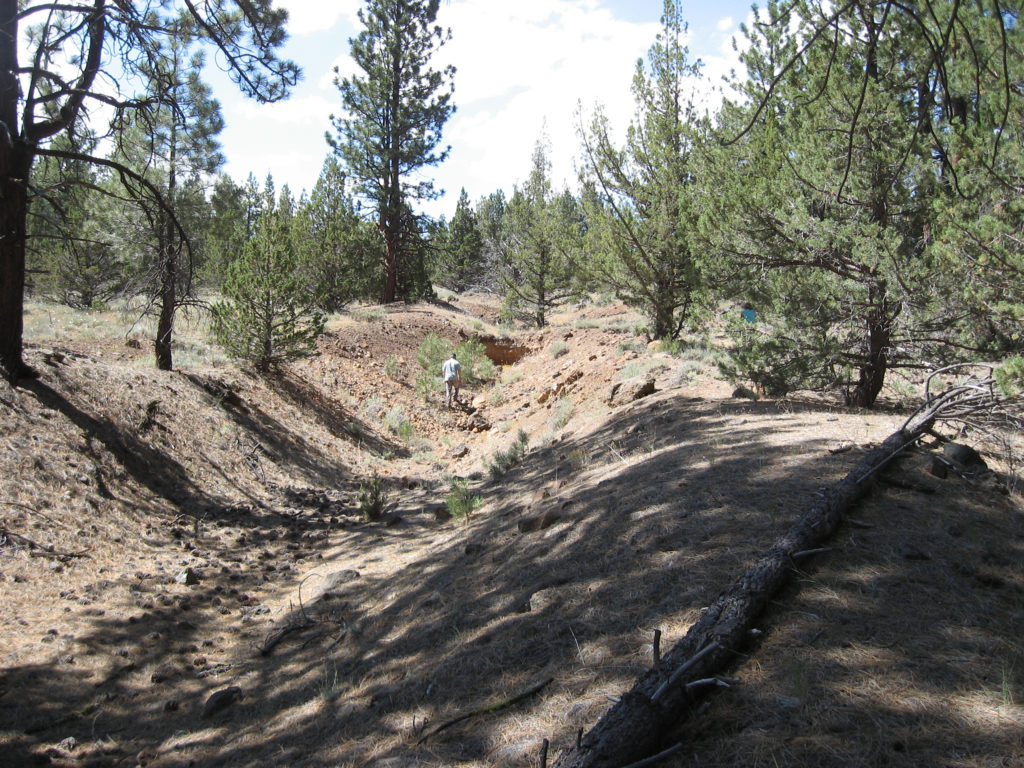
The other week there was a post Go Exploring and that is what I recently did. One of the sites visited played a major role in Lassen County development, though there is no historical marker and in addition no reference on maps. The initial concept was in 1875, construction began in 1881 and the site was not abandoned until 1917.

Never miss a story, click here.

Go Exploring

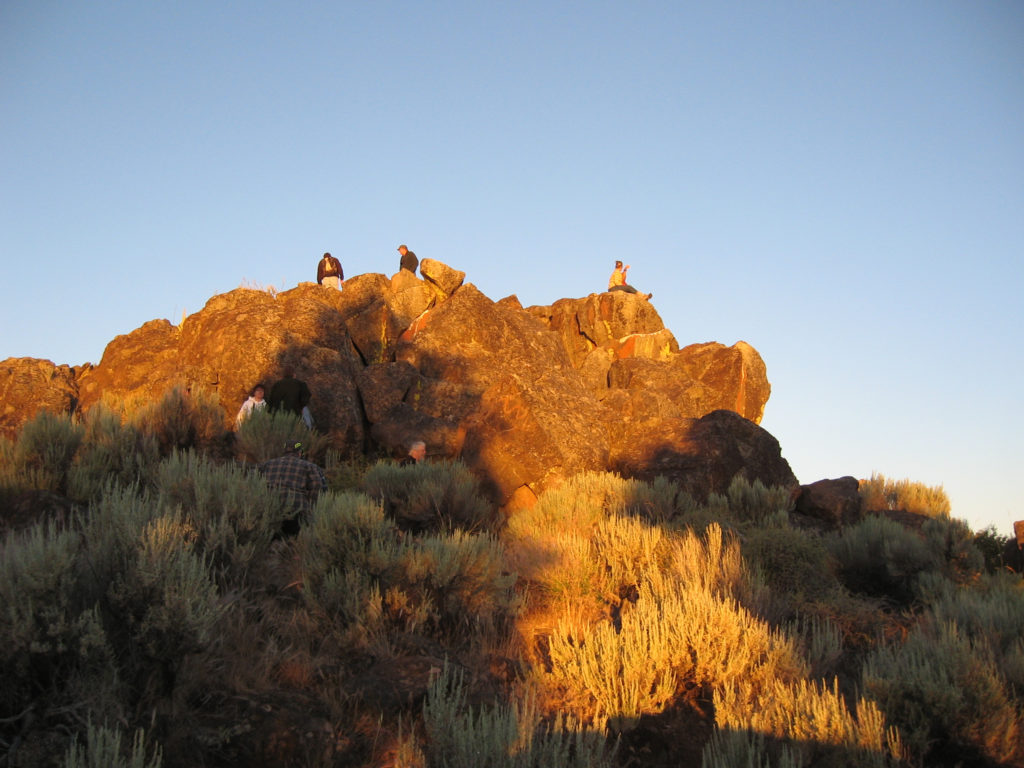
Cady Springs Overflow, Susan River Canyon, October 1972.

With summer weather upon us, it is an ideal time to check out the many wonders that surround the residents of the Lassen Region. The editorial from the Lassen Advocate of June 21, 1929 is a time less piece worthy of republishing. After all, August will be here before you know it and the summer days begin to wane. Take the paper’s advice and go exploring.

Know Your Country

If you were wondering what to do with your weekends this summer, have you ever given any thought to the fact that you don’t know your own county and the wonderful lake and mountain country immediately contiguous.

Within a few hours of Susanville there are numerous beautiful lakes as well as some beautiful streams and excellent camping spots.

How many have been to Drakesbad and to the top of Mount Lassen? How many have been to the ice caves near Eagle Lake and Wilson Lake?

There are many trips that can be taken from Susanville in the morning returning the same evening and traversing in the meantime a lot of new country that you have never seen before. Beauty spots near a mountain stream with clear sparkingly water are numerous where one may have their picnic lunch.

Try and see your own neck of the woods this summer. You will find many a pleasant day in store for you.

Never miss a story, click here to support and subscribe.

July Preview

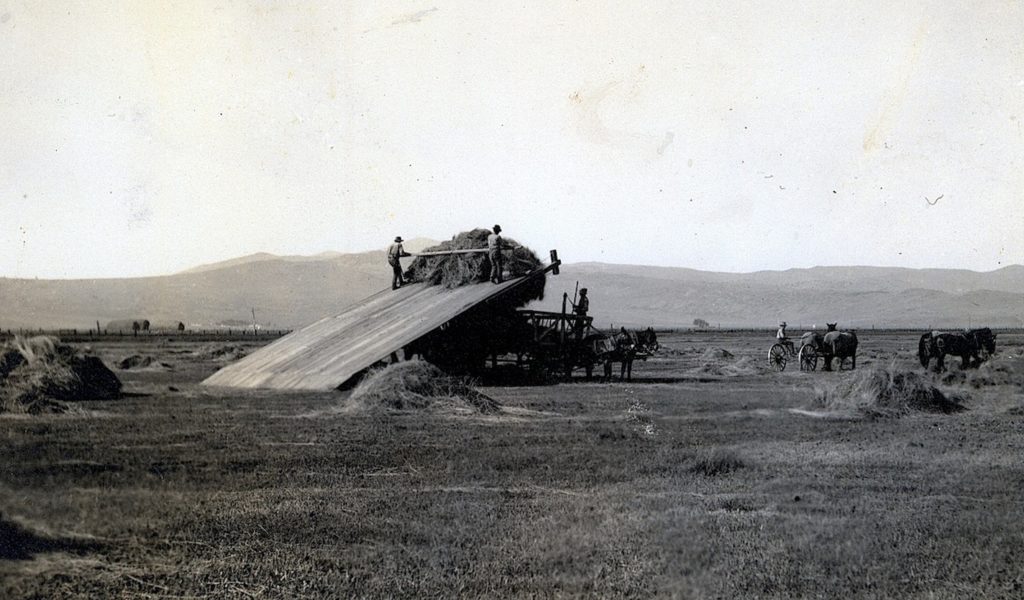
Haying at the York Ranch, Willow Creek Valley, 1912. Courtesy of Hazel Moller

Here is the July lineup, as usual lots of different topics for everyone.

Fruit Growers Supply Company 7/1/16
Janesville Renamed Lassen 7/2/16
Go Exploring 7/3/16
Eagle Lake – Gallatin Beach 7/4/16
Roop’s Fort Revisited 7/5/16
Eastside Tour 7/6/16
William R. Harrison, Esquire 7/7/16
Elbern Kelley, A Honey Lake Tragedy 7/8/16
McCoy Flat Reservoir 7/9/16
Thomas Abner Ramsey 7/10/16
Johnstonville School – Then & Now 7/11/16
Eagle Lake Ice Caves 7/12/16
Lonely Graves – Henry Stratton 7/13/16
Lassen County’s Bastille Day 7/14/16
Your Topic 7/15/16
Missouri Bend School 7/16/16
Eagle Lake – Gallatin Peak Fire 7/17/16
Plumas County – Chester 7/18/16
Susan River – Brockman Slough 7/19/16
Lassen County Fair, 1922 7/20/16
Susanville – Ash Street 7/21/16
Lassen Park’s Butte Lake 7/22/16
Bank of Lassen Co. – Standish 7/23/16
A Honey Lake Valley Earthquake 7/24/16
Westwood’s Golf Course 7/25/16
Lassen County – Lake Greeno 7/26/16
Dixon’s Willow Creek Dam 7/27/16
A Belfast Revival? 7/28/16
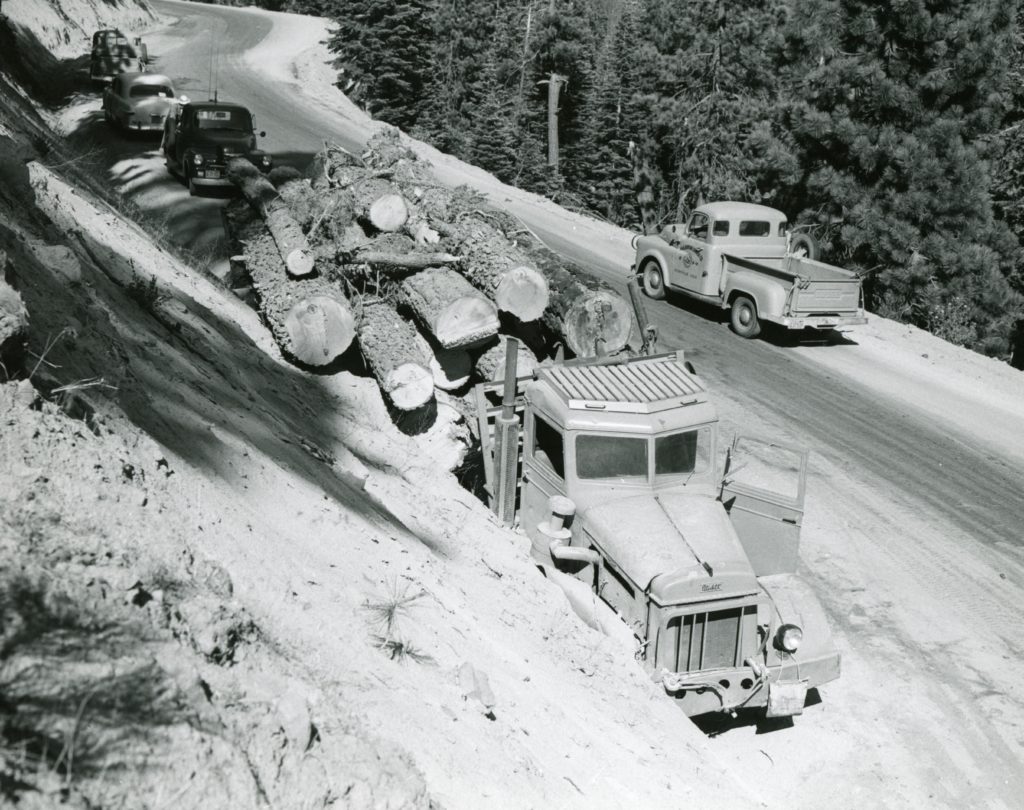
Fruit Growers Supply Co. – Truck Logging 7/29/16
Buddy, Can you spare a dime? 7/30/16
August Preview 7/31/16


Nothing

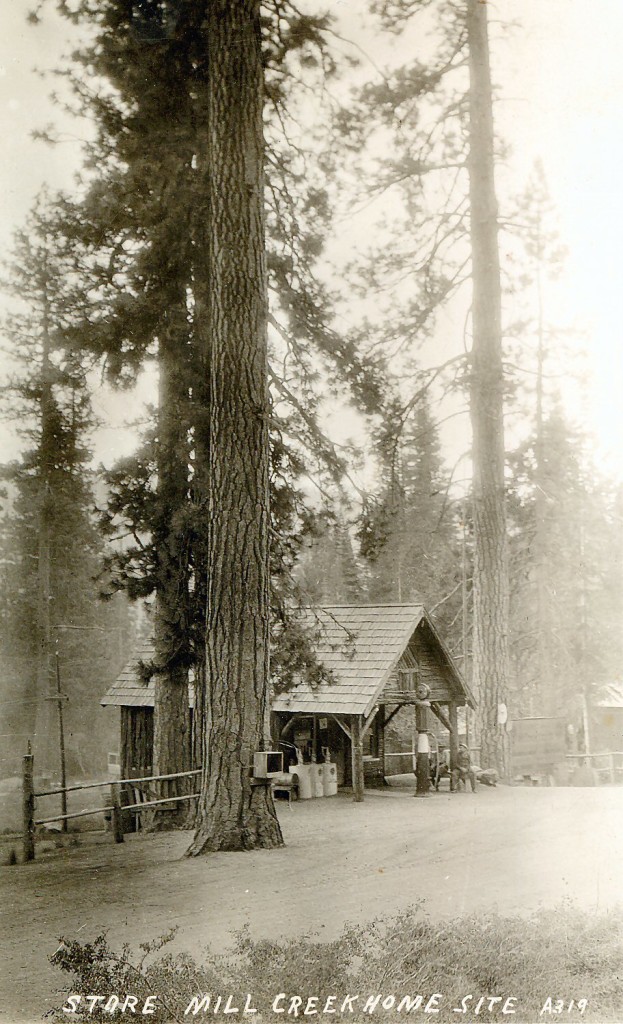
Mill Creek Store. Courtesy of Margaret A. Purdy

Today, I decided to take the day off, the first one this year.  With Memorial Day Weekend approaching I have lots to do between now and then. More to follow in a future post.  In the meantime, you can always use the search feature in the far right corner and explore 500 plus previous posts.

Enjoy your day, while I do the same.


Where are we? The Answer

Sunkist 4:5:20448
Sunkist Street

Several folks figured it out, that it is Sunkist Street in 1920, which was the road leading to the Fruit Growers Supply Company’s mill. There was a real easy clue, as I forgot to change the photograph’s name. In case some of you may not realize, if you click on the photograph, it will enlarge the image.

Where are we?

Sunkist 4:5:20448

It has been awhile since I did quiz.  Some may remember the last featured question was High Rock Ranch, and it stumped quite a few to my amazement. So just for fun, does anyone recognize this Susanville Street? You may leave your answer in the comment section, or the shy one can email me. The winner, by the way will receive the 2017 historical calendar when it is released in the fall.

Never miss a story, click here.

Michigan Big Wheels

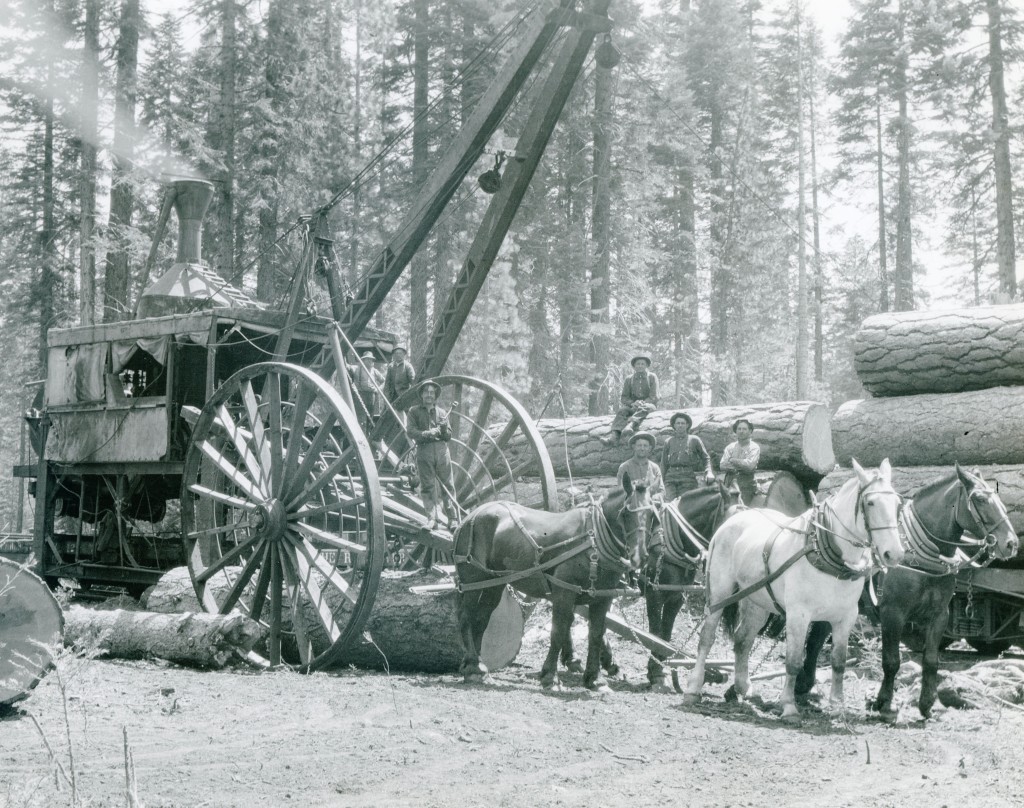
Red River Lumber Company, with Big Wheels and a McGiffert loader in the background. Courtesy of Hank Martinez

Logging operations of the early 1900s was extremely labor intensive. Motorized equipment was still in the experimental stages. One of the best advancements was the development of the Michigan Big Wheels, which everyone just called them big wheels. The wheels were a simple but efficient way to transport fallen logs to a landing, wherein they were then loaded onto railroad cars. The big wheels in time would become a key component in revolutionizing logging methods.

Horses provided the power to operate the big wheels. The name big wheels stems from their size ten to twelve feet in diameter. It was necessary for that size, in order to straddle a log and navigate moderate terrain. The logs were attached to a twelve foot tongue and with a lever, the driver could not only elevate a portion of a log in the front thereby making it easier to drag, but could loosen or tighten the cable, for braking purposes. One big drawback of big wheels was that it required a great deal of labor. Most big wheel logging camps employed as many as of 150 men. Two thirds of them worked as “swampers.” It was their job to remove brush, tree saplings, rocks and other debris that could injure a horse’s leg.

By the late 1920s, both Fruit Growers Supply Company and the Red River Lumber Company had replaced the big wheels with motorized “cats”.

Never miss a story, click here.