Tag Archives: Nevada

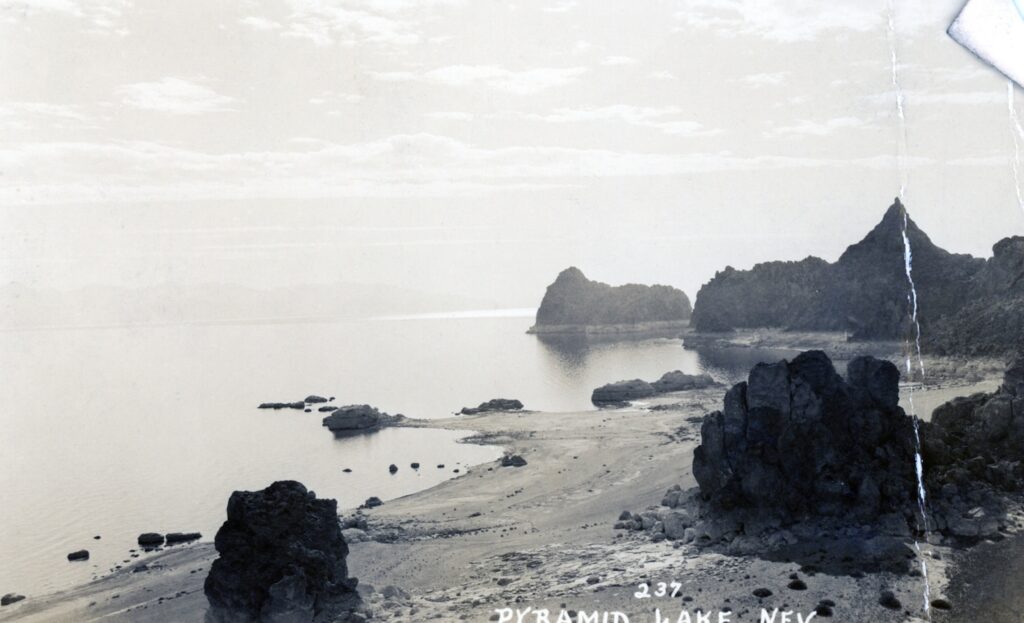
Pyramid Lake, Nevada

1935 Pyramid Lake postcard

The fall is a wonderful time to go exploring. For the most part the weather is ideal, the heat of summer is fading, but the chilly days are a few weeks away.

A favorite destination is Pyramid Lake, not that far for Lassenites, if you take the back way via Wendel Road. It should be noted that it is a dirt road from Nevada State line to near Sutcliffe on the north shore of the lake.

The lake was named by John  C. Fremont on January 13, 1844. Fremont wrote: “. . . we encamped on the shore, opposite a very remarkable rock in the lake, which had attracted our attention for many miles. It rose, according to our estimate, 600 feet above the water; presented a pretty exact outline of the great Pyramid of Cheops. . . . This striking feature suggested a name for the lake; and I called it Pyramid Lake; and though it may be deemed by some a fanciful resemblance, I can undertake to say that some future traveller will find a much more striking resemblance between this rock and the pyramids of Egypt, than there is between them and the object from which they take their name.”

Of course, I would be amiss not to mention the lake’s famed Lahontan Cutthroat Trout. Up until the 1920s, members of the Pyramid Lake Paiute tribe would bring wagon loads of the trout to sell in Susanville.

Definitely, worth a visit.

Tim

An Early Day Bar Examination Story

The grave of Isaac N. Roop, Susanville Cemetery, circa 1966.

During the frontier era a lot of procedures were a lot simpler then. Take for instance taking the bar examination to become an attorney-at law. For a brief time in the early 1860s the Honey Lake Valley had two Justice Courts—one for the Nevada Territory and the other for the State of California. That is a complicated story in itself. It did require practicing attorneys to have a license to in each jurisdiction, just as one has to due today.

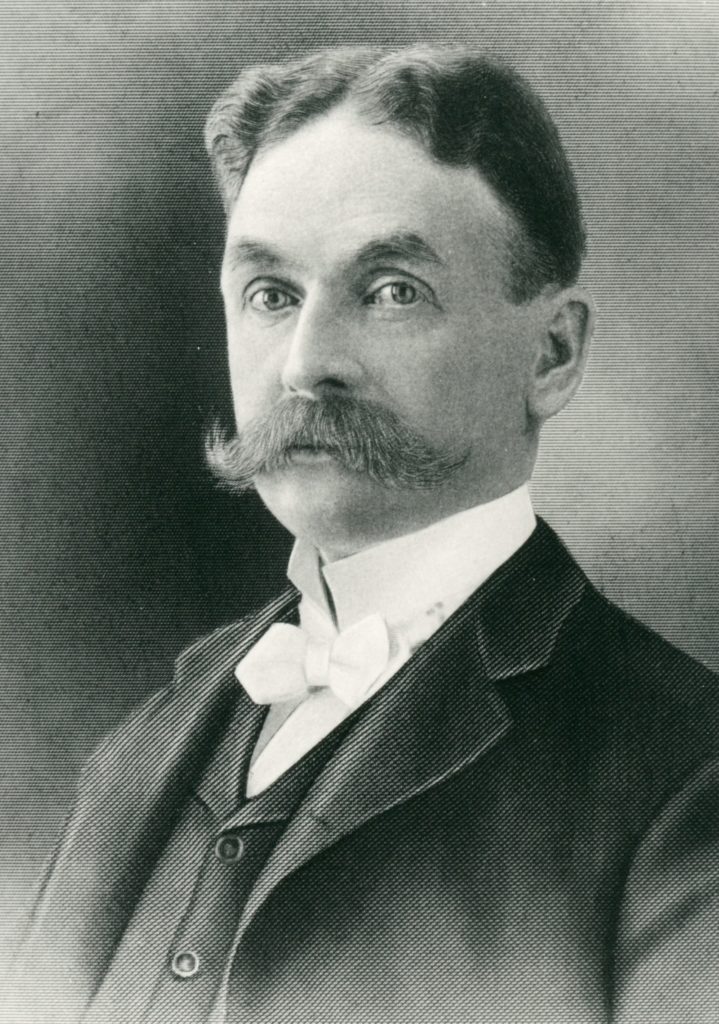
Susanville’s founder, Isaac Roop (1822-1869) wore many hats, and one of those being an attorney. Since Roop was a high profile person back in the day, there is quite a bit of documentation about him. One item that shows a lot, was his interesting wit. A perfect example occurred when he took the Nevada Bar examination. At that hearing a lawyer attempted to provide Roop with some assistance. The bar examination was fairly simple and one of the more difficult questions was the definition of a corporation.  The Carson attorney informed Roop that: “A corporation is a creature of the law, having certain powers and duties of a natural person.” When Judge Gordon Mott asked Roop to define a corporation, Roop replied: “A corporation is a band of fellows without any soul, of whom the law is a creature, who have some powers and take a great many more, and entirely ignore the statutory duties imposed on them.”  Thus, with that remark, Roop was admitted to practice law in the Nevada Territory.

Donate


Rosebud, Nevada

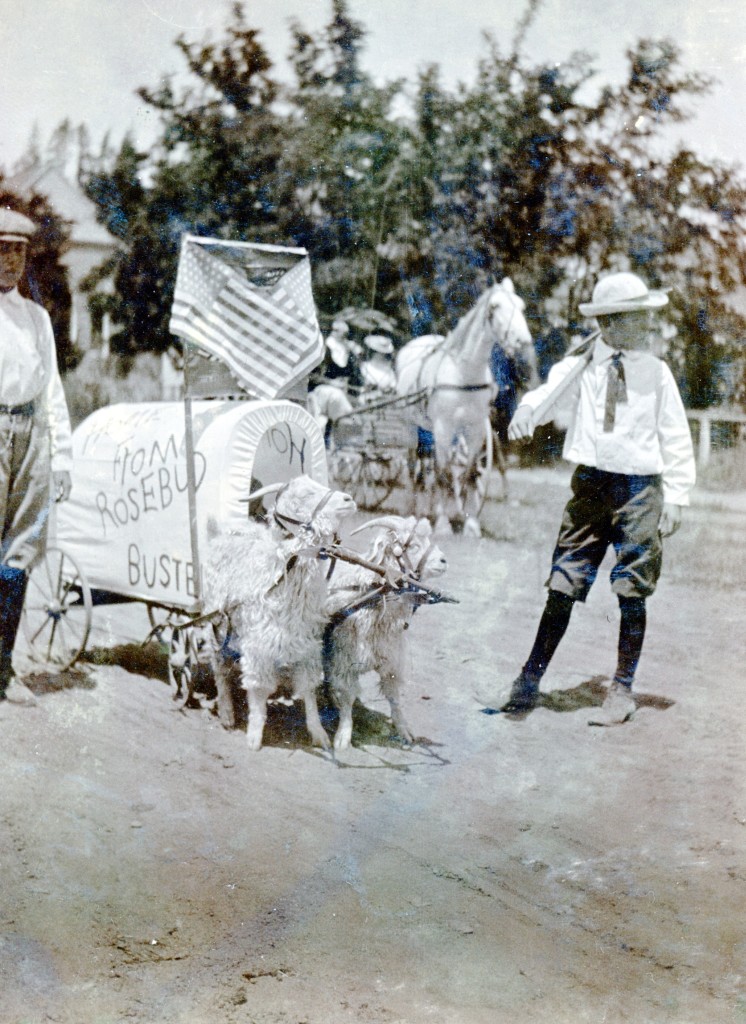
A 4th of July 1907 entry in the parade held in Susanville. Note the writing on wagon "Home from Rosebud Busted" Courtesy of Lola L. Tanner
A 4th of July 1908 entry in the parade held in Susanville. Note the writing on wagon “Home from Rosebud Busted” Courtesy of Lola L. Tanner

In 1906, for the first time since the 1860s, Honey Lakers were excited about mining in Nevada.  Of course, one Honey Laker, E.C. Brown had done very well in Goldfield. It was not the new mining discoveries of Goldfield and Tonopah, but one due east of the Honey Lake Valley on the eastern edge of the Black Rock Desert–Rosebud, in Pershing County.

It all began in August 1906 when three prospectors from Goldfield, Nevada discovered a gold vein in the Kamma Mountains that purportedly assays ranged from $1,500 to $30, 000 per ton. A mineral report issued from Humboldt County would later state: “This was followed by a senseless boom, in which, as usual, folly played eagerly into the hands of fraud.” Continue reading Rosebud, Nevada

Some Confusing Railroad History

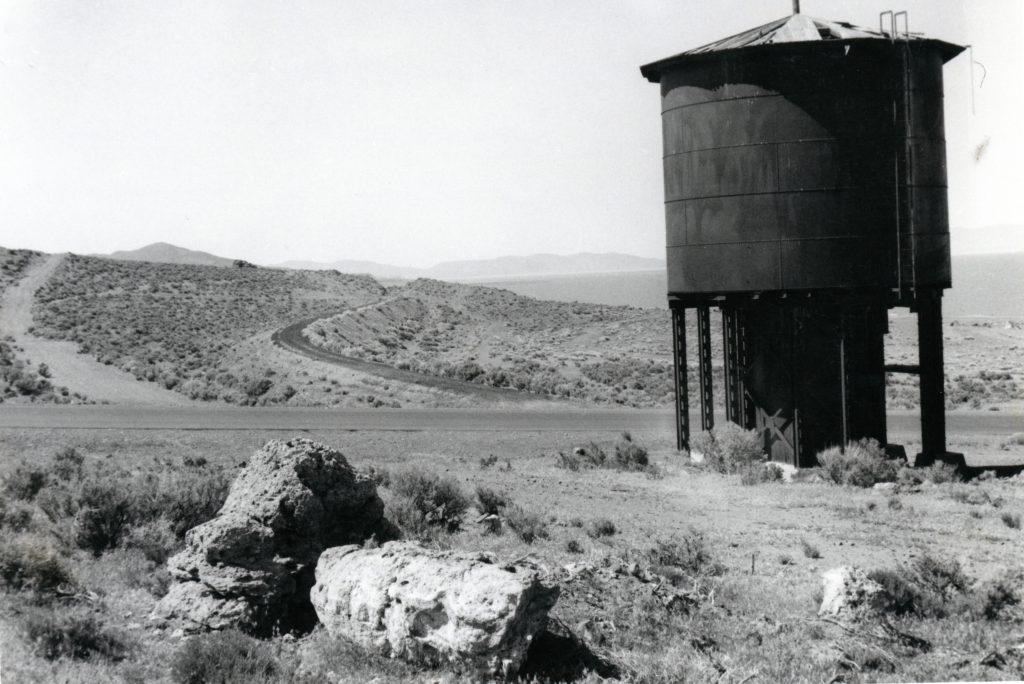
The abandoned line at Pyramid Lake., Nevada Historical Society 1971

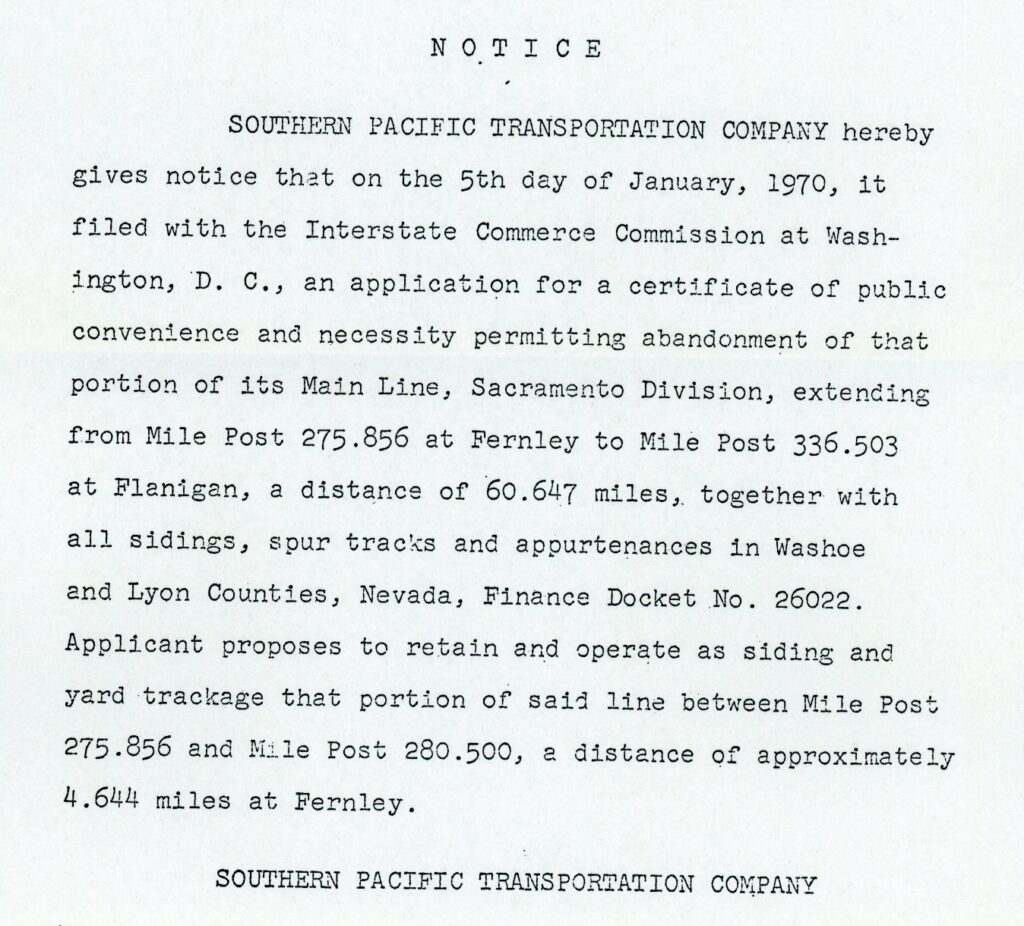
This kind of boggles my mind, that so many railroad historians get something so incredibly wrong.  What I am referring to is the abandonment of the Southern Pacific’s Westwood Branch line between Fernley and Flanigan. First we start off with Jack Bowden whose book the Modoc Line states that the 60 mile segment of track was abandoned in 1963. David Myrick places the date of abandonment in 1962. Eric Moody, the author of a book on Flanigan has the date as 1972!

The 1970 abandonment notice—David Martin

John Signor wrote: “The SP line from Flanigan to Fernley continued to support a once-a-week local until it was discontinued in 1966. Work crews began taking up the line south of Flanigan along Pyramid Lake on October 7, 1970.”

David Martin on one of his forays to Flanigan came across notice of abandonment posted on an old pole, which clearly indicates that the segment was indeed abandoned in 1970 and shortly thereafter the tracks removed.

Support by subscribing.

Nevada’s Smoke Creek Desert

Smoke Creek Desert
Smoke Creek Desert looking towards Sheepshead, fall, 1977

Just across the California border lies this most interesting desert. It is a favorite of mine, so rich in history. It received its name back in 1844 when John C. Fremont explored the region. His party noted the dust storms created on the playa there cast a smokey hue.

Fremont was not the only explorer to the desert, as he was followed by William H. Nobles who created a new emigrant road that traversed Smoke Creek—it was a direct route to the Northern California mines. In 1865, the military established Fort Bidwell in Surprise Valley. The military plotted an unusual supply route that went along the west side of the Smoke Creek Desert and then followed Smoke Creek in a haphazard manner to Surprise Valley. This route was far from ideal, which was replaced by route through Buffalo Meadows. Traffic would diminish significantly when in 1890 Fort Bidwell was closed.

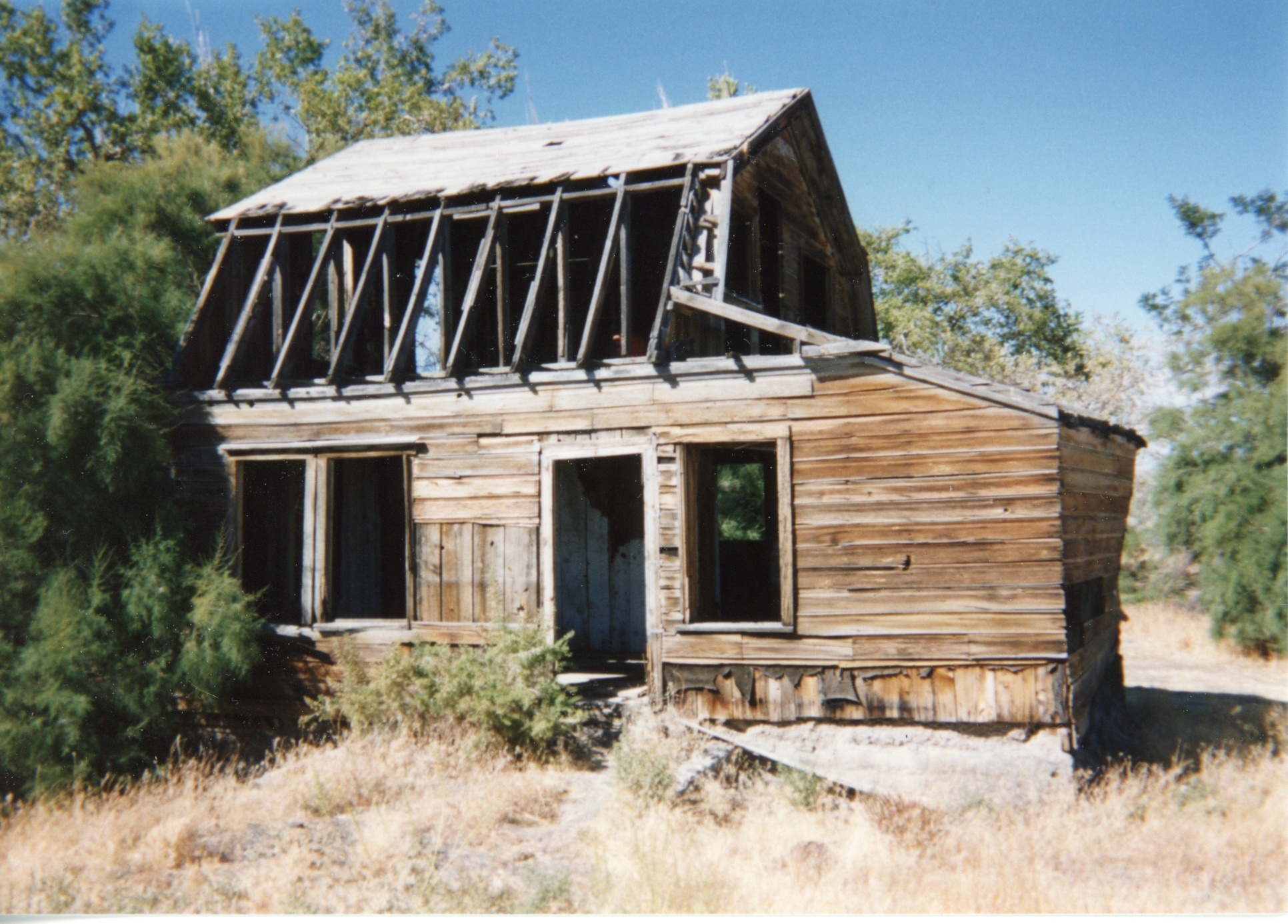
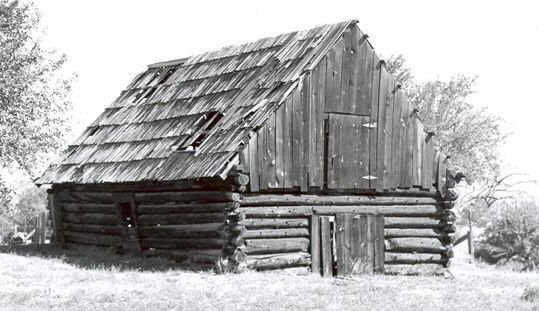
An abandoned homestead in the Smoke Creek Desert.

By the early 1900s, Smoke Creek was dotted with desert homesteaders during the dry farming experience that did not work so well to many.

Support by subscribing.

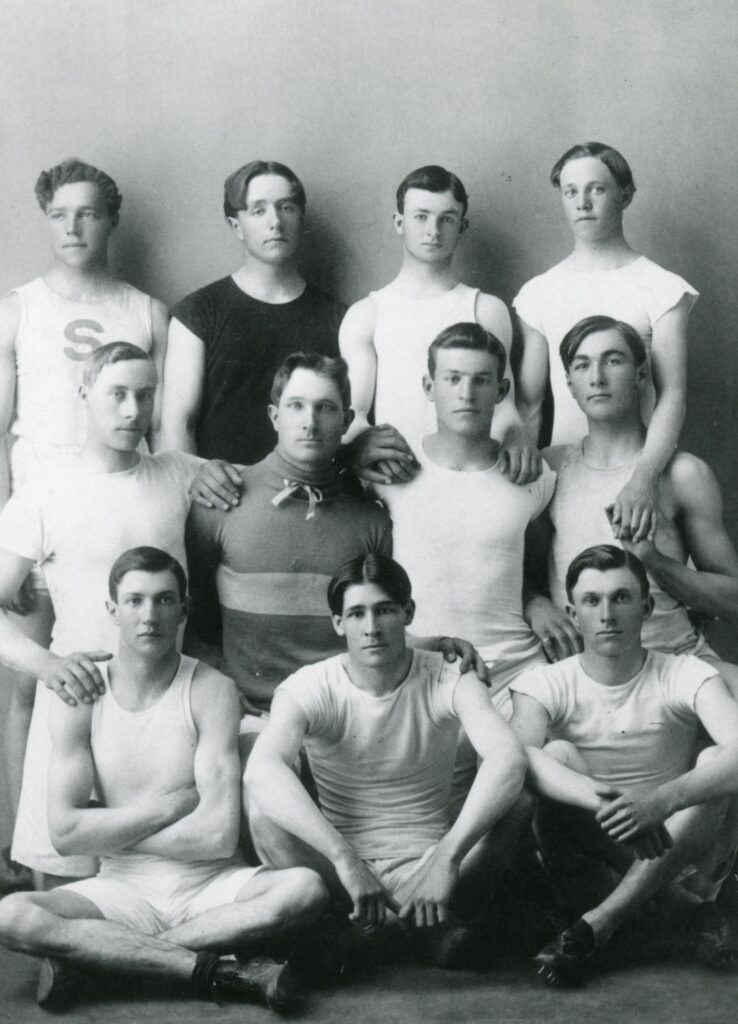
Lassen Wallops Reno, 1907

Lasssen High’s 1907 Track Team. Top Row: Barney Kingsbury, Harry Pearce, Ivor Clark and Fred. Kelley. Second Row: Ralph Taylor, Med Arnold, Finn Barry and Tro Emerson. Bottom Row: Roy Ramsey, Percy Holmes and Will Hall—-Courtesy of Betty Barry Deal

While Lassen County High School had been in existence for only a few years it had a remarkable track team from its inception. In the spring of 1907 Lassen High invited Reno High for a track competition. It was rescheduled twice and finally held at Lassen High on May 10, 1907. Lassen more than excelled beating Reno 100 to 17.

The pole vault competition was an interesting one, and Lassen could have conceded. This was due to their rude equipment of fence rails and pine limbs used as the pole. However, Reno did bring the proper equipment. Like most of the day’s competition Lassen walloped Reno in the pole vault with Barney Kingsbury; first Tro Emerson, second and Reno’s Chester Patterson coming third.

Tim

Nataqua Territory

Roop’s Trading Post better known today as Roop’s Fort

On April 26, 1856, twenty settlers in the Honey Lake Valley gathered at Isaac Roop’s Trading Post nee cabin and held a “mass convention” to establish a territory of their own.  After all, the group concurred, they were not residents of California and they did not want to be under Mormon domination of the Utah Territory whose boundaries extended to the eastern boundary of California.  They named their new government Nataqua Territory. Nataqua, or Natauga as it is sometimes spelt, purportedly, was a Paiute word for woman.  Their land grab was grand to say they least. They carved out a territory, 240 miles long and 155 miles wide, almost two-thirds the size of the State of Nevada.  Ironically, the legal description of their new sovereign state, excluded themselves. Roop’s Post for instance, was located 35 miles west, outside the their western boundary.  The Nataqua Territory, in essence, served as a form of local government to provide an avenue to protect their rights and to handle local land affairs.  The territory served as a foundation until a more formal government was established. In 1857, the  Territory was abandoned when an attempt was made to form the Territory of Sierra Nevada.

Support by subscribing.

Who was Patrick Flanigan?

Patrick Flanigan — Wren’s History

Patrick L. Flanigan was one of those rags to riches to rags stories. He was a member of the Nevada State Assembly and also Senate during the 1890s. Of course, many in this region were aware there was an a railroad town in eastern Honey Lake Valley named for him.

His story began In 1877, when at the age of 17, Flanigan came west to Reno where he found employment milking cows. Five years later he obtained a loan from the Washoe County Bank to purchase 1500 sheep. Thus, like many before and after him became an itinerant aka ‘tramp” sheep man and moved his sheep from place to place where ever he could find feed and water. (When the Taylor Grazing Act came into effect in 1934, put an end to this practice.) Flanigan, like so many others, lost over 50% of sheep during the harsh winter of 1889-90. Continue reading Who was Patrick Flanigan?

Washoe-Lassen Mining Company

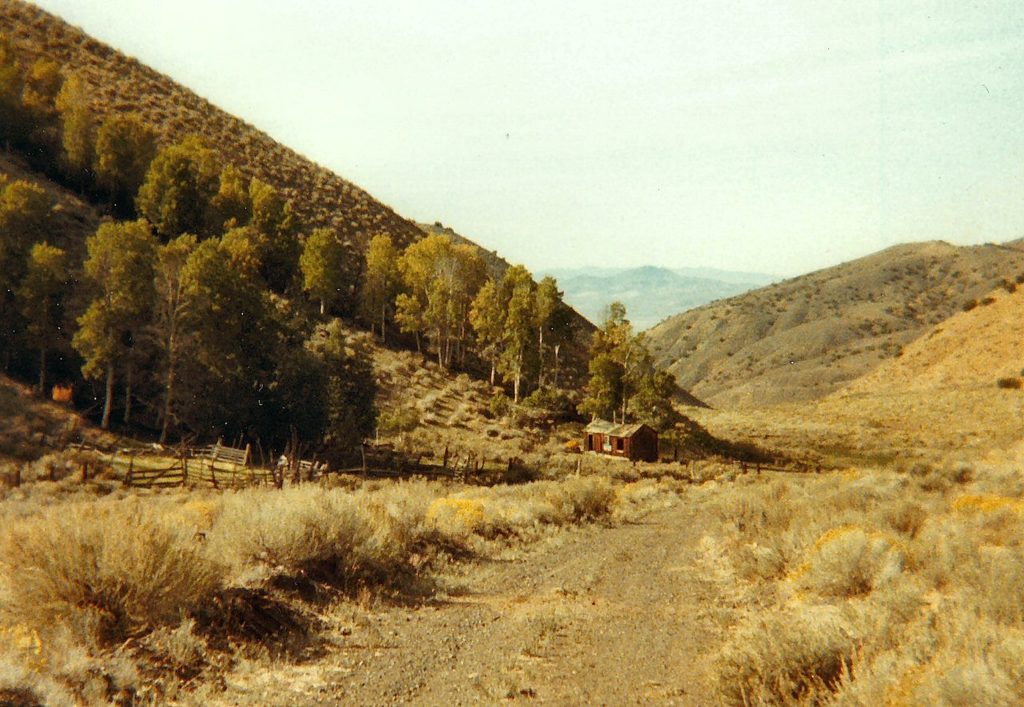
Wild Horse Canyon, September 27, 1984

A few years back, I wrote about the mining activity at Rosebud on the eastern edge of the Black Rock Desert. Yet, there was also considerable mining activity much closer to the Honey Lake Valley in the nearby Smoke Creek Desert. In 1882, the Cottonwood Mining District was established on the Fox Mountains on the east side of the Smoke Creek Desert. Due to its remoteness and lack of any substantial high grade ore, little mining was developed.. Continue reading Washoe-Lassen Mining Company