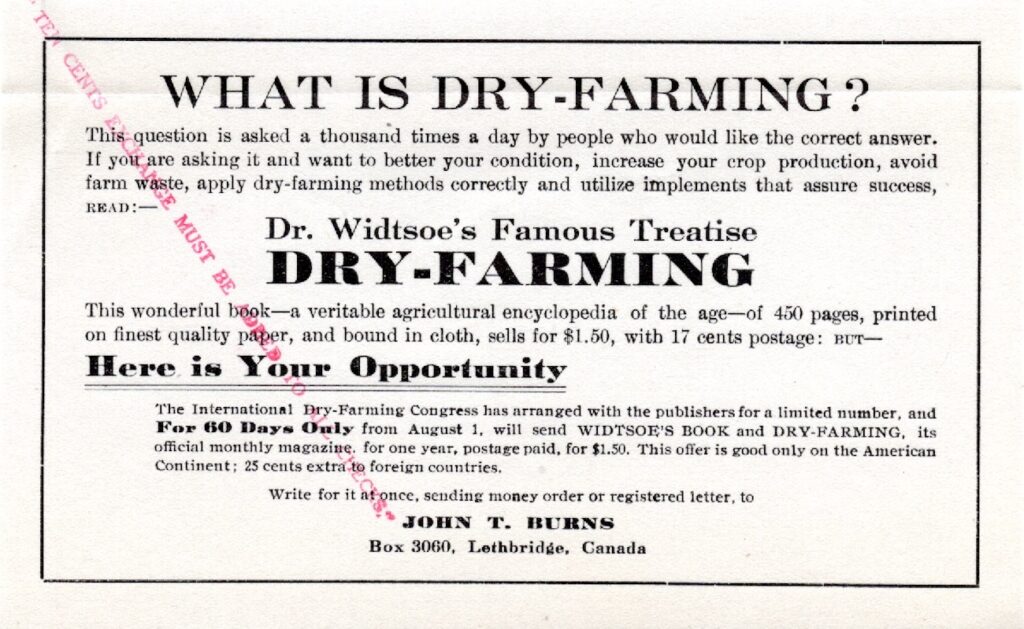
Dry farming had its origins in the Great Plains since many locales receive from eight to eighteen inches of precipitation annually. The movement grew and spread to the Aird regions of the American West. For land promoters Northeastern California provided a lucrative market for exploitation. Eastern Lassen County with abundant public land available to homesteaders, and proposed irrigation project was an ideal setting.
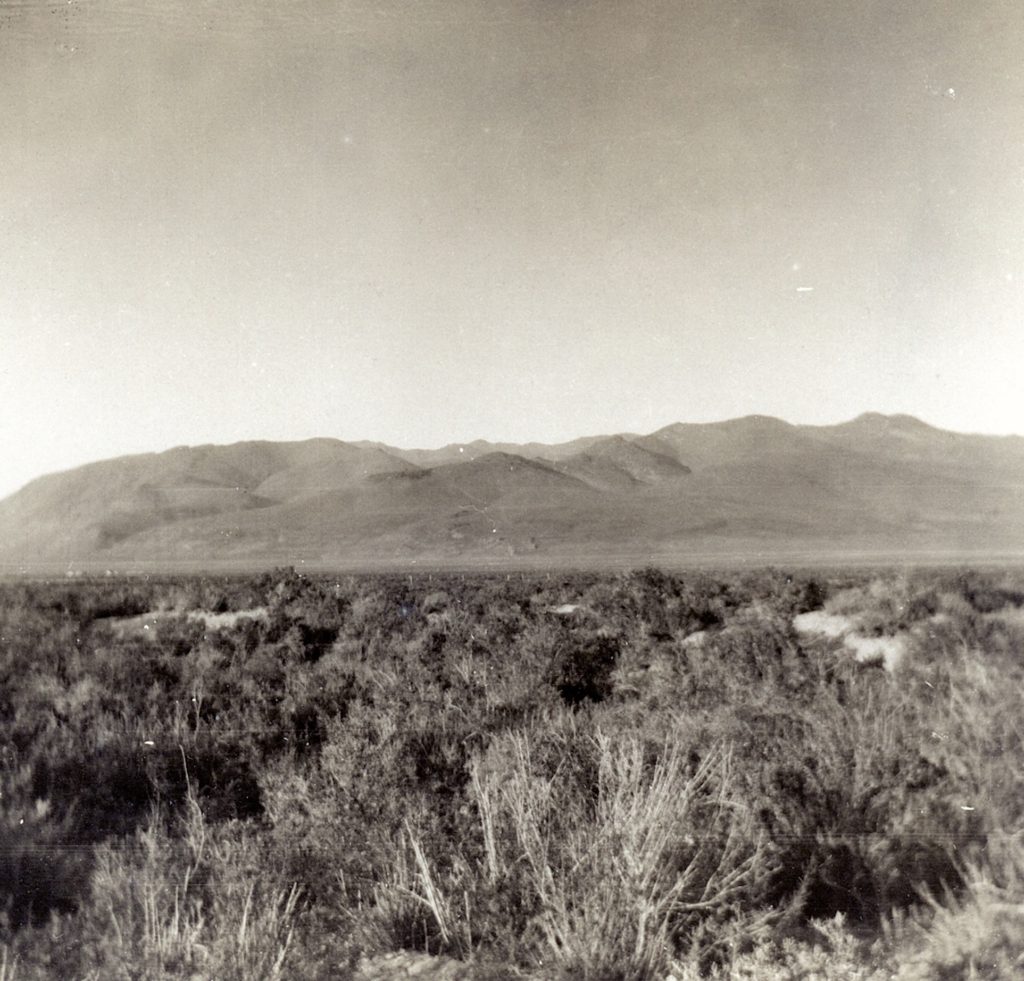
By 1910, the region had exploded with desert homesteaders. An interesting segment of those were Scandinavians. The lure for them that one could actually own land was irrisitable Upon arrival there was a rude awakening to see vast sagebrush lands. Going back to the homeland was not an option. At least these hardy homesteaders had a benevolent Mother Nature on their side with way above normal precipitation. Things can quickly change and this was no exception. Two things happen in 1917, was the beginning of a severe drought, but a far greater impact was World War I. By the mid-1920s, eastern Lassen County had been depopulated.
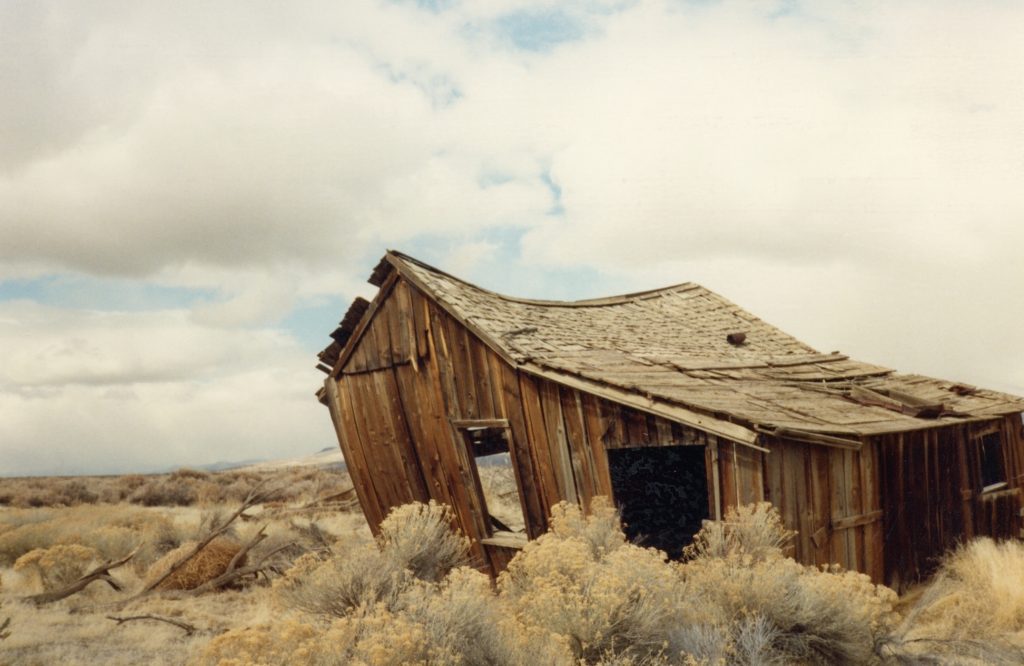
As late of the mid-1980s numerous deserted homestead cabins were still standing, but that is no longer the case today.