Category Archives: Uncategorized

How Certain Hospitals Evolved

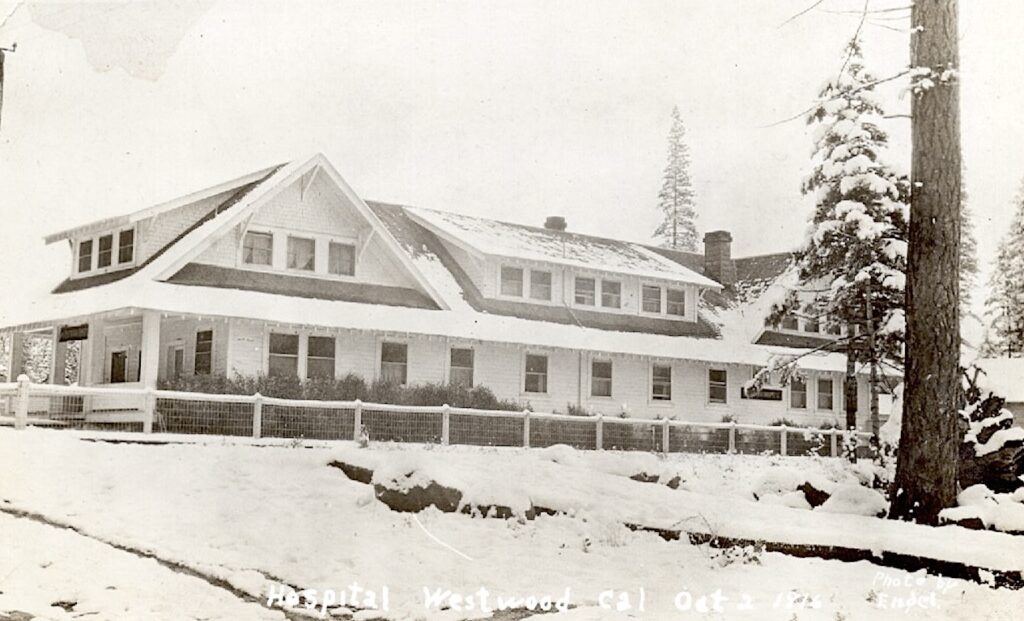
Westwood Hospital-Courtesy of D.B. Martin

This is a tale of how many hospitals were established in the 1910s. In 1914 California adopted the Workmen’s Compensation Act. This affected large industrial employers such as lumber mills in our region. Companies had two options for medical insurance to their employees. They could self insured or buy a policy through the State. Fruit Growers and Red River adopted the self-insured approach the employees were charged one dollar a month for health and medical care. This insurance covered every member of an employee’s family. This was how the Riverside Hospital was built in Susanville and the Westwood Hospital.  The Act was amended in 1944 and both Red River and Fruit Growers opted out of the self insured plan, and paid into the State Workmen’s Compensation Fund.
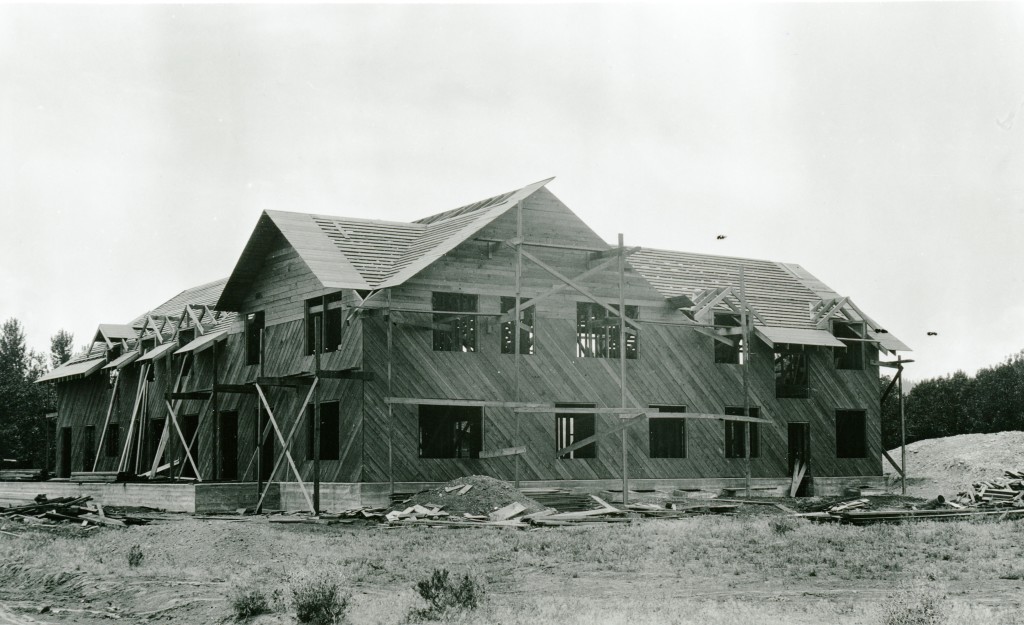
Construction of Riverside Hospital, 1920. Courtesy of Ed Standard

A little bit of trivia is this how Kaiser Permanente was formed. Kaiser initially were ship builders and they too originally opted for the self-insured policy.. They also dropped the self-insured policy, and in 1945 Kaiser Permanente was established.

Tim

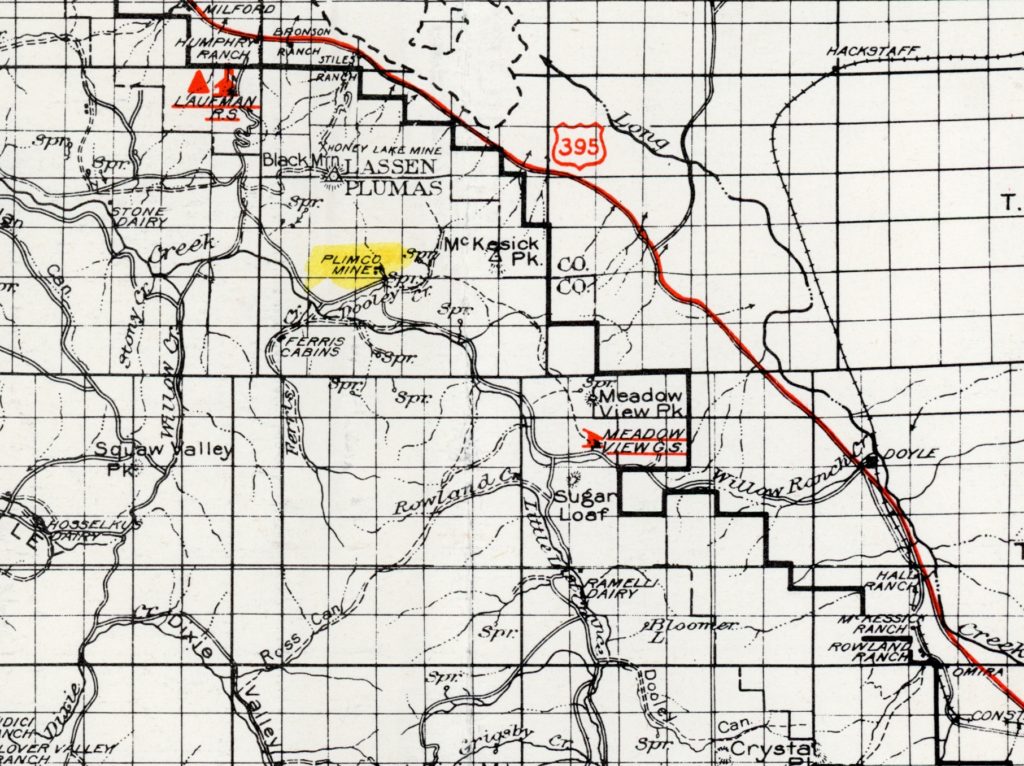
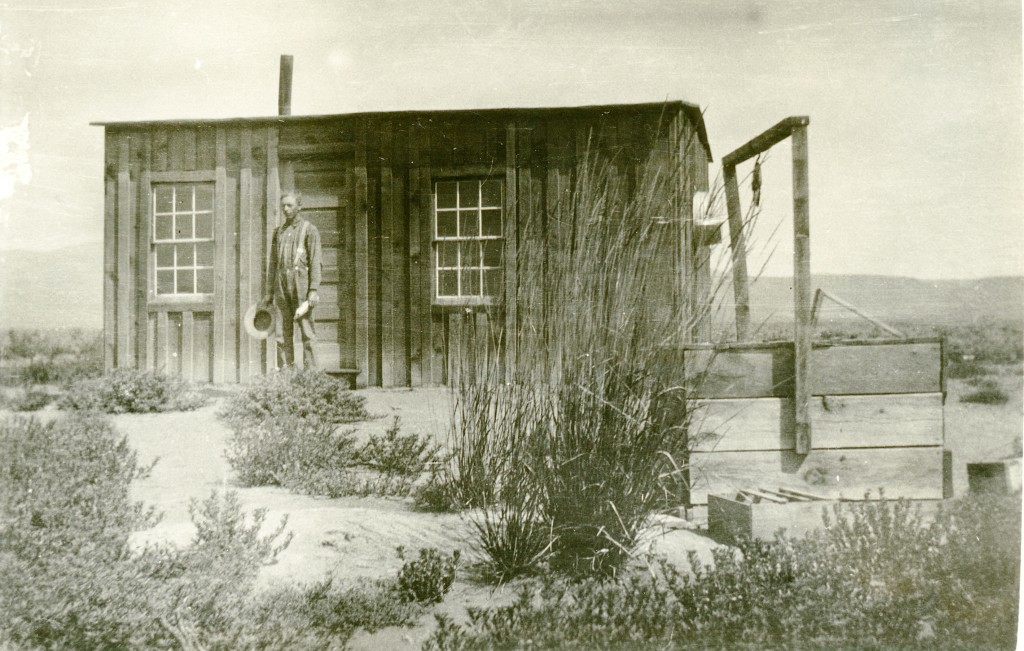
Plinco Mine, Plumas County

The mine appear as a late as 1950 on this Plumas National Forest map.
Note: This post appeared on November 6, 2020. This post is in memory of Chuck James, a one-time archaeologist on the Plumas National Forest, who passed away on September 8, 2025. He was responsible for me to research this mine. The Plinco Mine was located in the Last Chance area of northeastern Plumas County. Doyle in Lassen County was in part beneficiary of the mining operations due to the access with the Western Pacific Railroad. From the mine to Doyle was approximately thirteen miles. The initial mine was discovered in 1905 by Joseph Novak of Utah and Orlando McNabb of nearby Milford, an avid prospector. Attempts to develop the mine languished. In the fall of 1915, J.F. Cutler, a Midwest capitalist began an ambitious project to develop the Novak Mine. On November 2, 1915 Articles of Incorporation for Plinco Copper Mine were filed in the State of Nebraska. Cutler stated at that time he had ten men working on shafts and buildings investing some $16,000 in the venture. There does not appear to be much documentation about the Plinco mine. In late August 1919 a massive forest fire, to be named the Ferris Fire ravaged the Last Chance country and destroyed the Plinco Mine buildings. The operation then ceased to exist.

Support

Tuesday Tidbit- Storyettes From Stacy

The Zarbock homestead. Carl R. Caudle Collection

Stacy was a small community in eastern Honey Lake Valley located between Amedee and the Nevada State line. In 1914, a weekly correspondent to the Lassen Advocate provided that newspaper of the activities of that region. From time to time on Tuesdays I will provide excerpts.

30 January 1914 – Ferdinand Zarbock, who has been keeping the Postoffice at Stacy the past month, is very. much gratified over the results since the office has been regular service over the Fernley & Lassen Railroad. The sales and cancellations have more quadrupled from what they we were getting intermittent service from Calneva.

30 January 1914 – Marvin Caudle and Ferdinand Zarbock have just completed the survey of Main Street from the northern limits of Stacy for a distance of one mile north and have moved  and rebuilt the old fence so as to give a 60-foot road. They are now working on the trunk line of the Stacy telephone system.

Tim

P.S. Seeking a special holiday surprise, you can always give a gift Subscription

St. Patrick’s Dinner – Today

The church’s 1976 advertisement.

The Sacred Heart Church will hold its annual St. Patrick’s Dinner this Saturday, March 16 at Monsingor Moran Hall from 4 to 7. Costs: $20 for Adults; Children 6 to 10 $15 and those under six free.

This annual event started in 1917. The menu, of course, has evolved over the years. For decades the traditional corned beef and cabbage was never served. In 1974, Father William Storan was appointed the parish priest. In 1975, he requested that corned beef and cabbage be placed on the menu and that the church would slowly phase out spaghetti and roast beef.

Tim

A Test

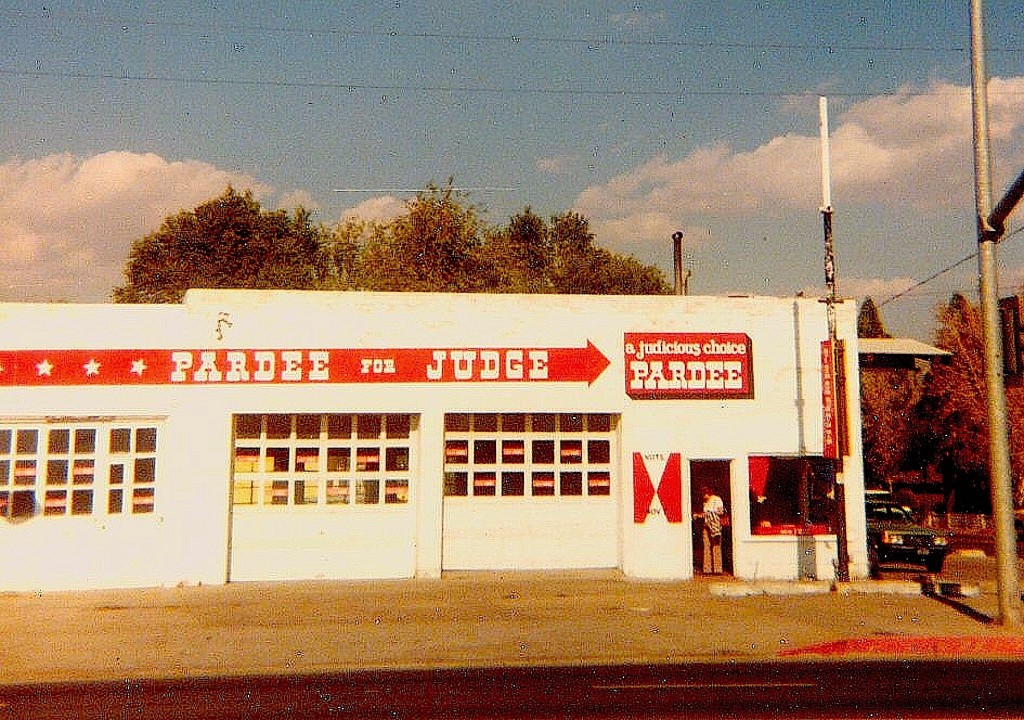
Pardee
Pardee campaign headquarters, Main & Ash Streets, Susanville, October 1978

This morning the automated feature to send the daily post worked for a change. I want to see if this goes through this afternoon.

Tim

Local Railroad News for 1922

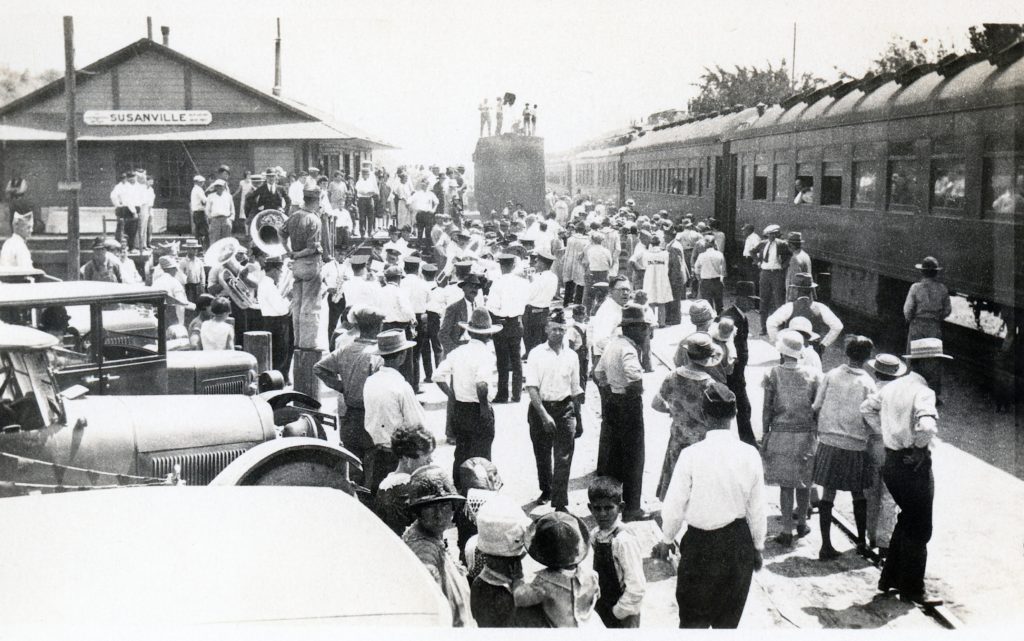
1926 American Legion Convention delegates arriving at the Susanville Depot. Courtesy of Nellygrace Stoll.

It was certainly a banner year for the Southern Pacific. This, of course, was due to the fact of the completion of Fruit Growers Supply Company lumber mill in Susanville, the previous year. This increased rail traffic by the proverbial leaps and bounds. Now being shipped in 1922 were over 1600 monthly carloads of lumber by products. (Why, I do not know , but photographs of such seem to be non-existent.) There was also a major increase with passenger traffic. In 1921, Southern Pacific had a 3 car passenger train. The following year it doubled to six car daily passenger train, along with a special dining car.

In the fall of 1922 there were other developments in the works. One was the movement to reroute the NCO Railroad into Susanville. At the same time, the Klamath County Chamber of Commerce was pushing the Interstate Commerce Commission for a rail link between Klamath Falls and Susanville. It should be noted surveys for that line had been made as early as 1911.

Support by subscribing.